How to Care for Your Acetate Glasses: Tips and Tricks
Luxury glasses are an investment. Whether you wear premium optical frames every day or reserve your designer glasses for special occasions, the way you care for them determines how long they hold their shape, their colour, and their finish. Acetate — the material at the heart of most serious French eyewear — rewards proper care with exceptional longevity.
Why acetate deserves specific care
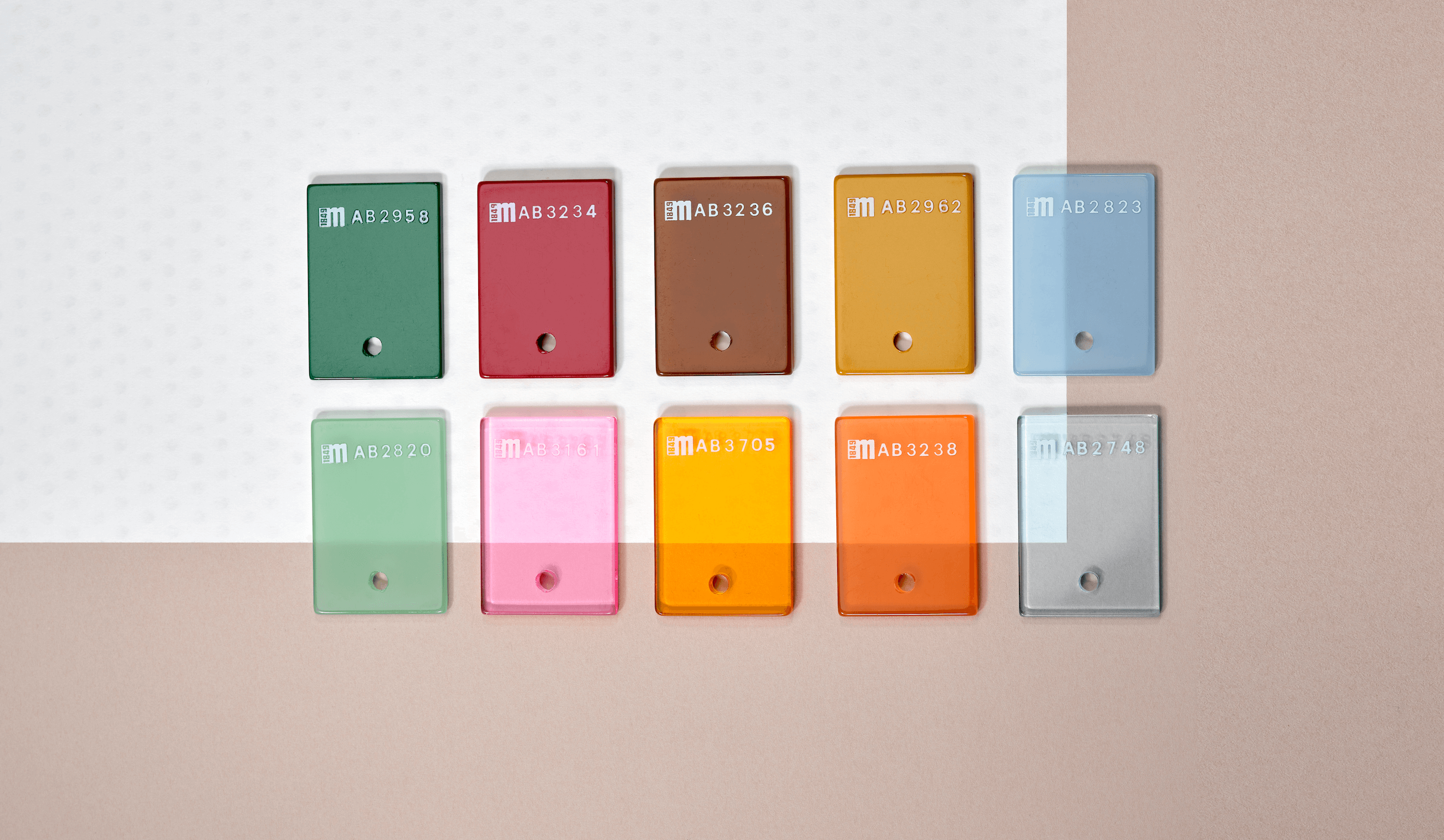
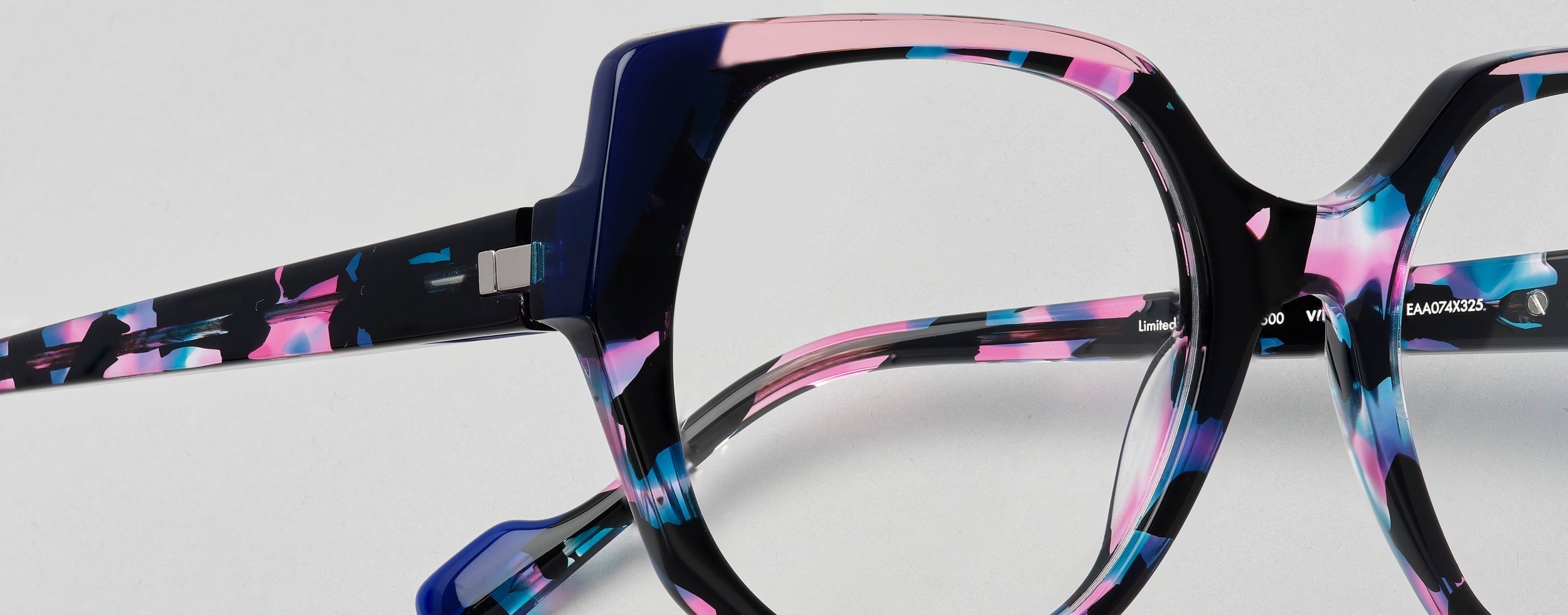
Unlike injection-moulded plastic, high-density acetate is a living material. It has depth, warmth, and a surface that can be polished back to its original finish. This is one of the reasons it is chosen by independent eyewear brands committed to quality: it can be repaired, adjusted, and maintained in a way that cheaper materials cannot.
But it also means that careless handling will show. Here is what to do — and what to avoid.
Cleaning your frames
Use lukewarm water and a small amount of mild soap. Rinse thoroughly, then dry with a soft microfibre cloth — never paper towels, which can scratch the surface. For lenses, use a dedicated lens-cleaning solution and a clean cloth.
Avoid alcohol-based products, acetone, and harsh solvents. These can strip the finish from acetate and damage anti-reflective coatings on lenses. For handmade glasses finished by hand, this matters more than for factory-coated alternatives.
Storage
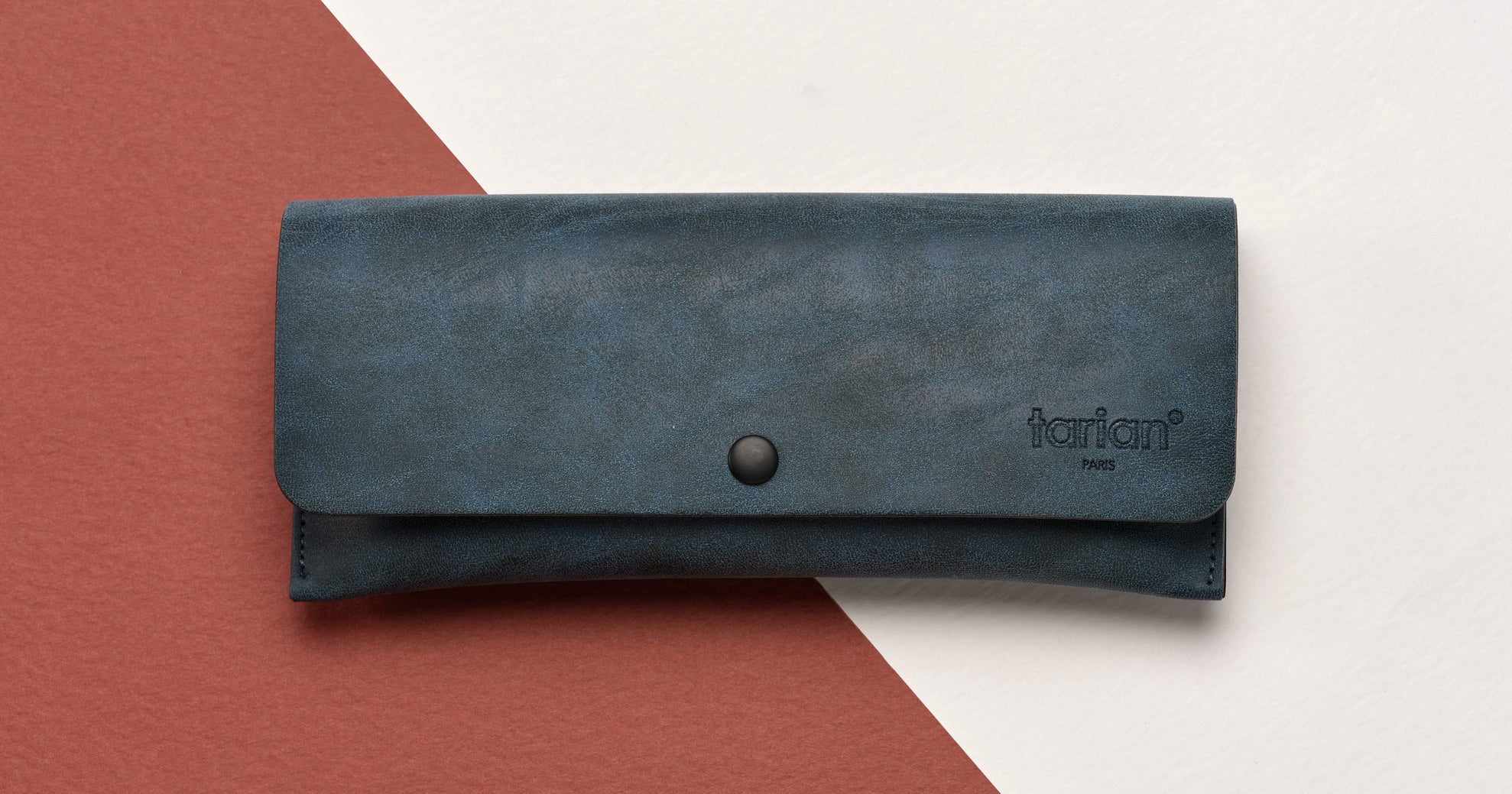
Always store your frames in a hard case when not in use. Leaving luxury glasses on a surface — face down, in a bag without protection — is the most common cause of scratched lenses and bent frames.
Keep them away from heat. The dashboard of a car, a beach towel in direct sun, the edge of a stove — acetate softens at relatively low temperatures. A frame left in a hot environment can warp permanently.
Adjustments
Well-fitted Paris eyewear should sit comfortably without pressure points. If your frames feel tight at the temples or slip on the nose, have them adjusted by an optician rather than bending them yourself. Acetate can be gently warmed and reshaped by a professional — but cold-forcing a frame risks cracking it.
TARIAN frames fitted with the AXIS flex hinge require no traditional hinge adjustment — the mechanism adapts naturally to the face. But the frame itself should still be kept properly aligned.
Polishing
Over time, the surface of acetate frames can develop fine scratches or lose some of its original lustre. A professional polish — available from most opticians or directly from the brand — can restore the surface to near-original condition. This is one of the distinct advantages of premium optical frames in acetate over those made from cheaper materials: they can be brought back.
When to return your frame
If a screw comes loose, a hinge wears, or a nose pad needs replacing, return to your optician promptly. Small repairs done early prevent larger ones later. For TARIAN frames, contact the atelier directly — the brand stands behind its work.
A well-cared-for pair of luxury eyewear can last a decade or more. The material was chosen to last. The care is what makes that possible.