5 Signs You Should Switch to Acetate Glasses
Not all eyewear is made the same way, and the difference becomes clear over time. If you have been wearing frames that feel uncomfortable, look worn after a year, or simply do not feel like a considered choice, it may be time to switch to acetate. Here is how to recognise the signs.
1. Your current frames feel heavy or uncomfortable by midday
Discomfort is not inevitable. Well-made luxury glasses — particularly those made from high-density acetate with a properly designed hinge — should feel lighter as the day goes on, not heavier. If your frames leave marks on your nose or press at your temples, the problem is fit and construction, not your face.
Acetate allows for precise adjustments. An experienced optician can warm and reshape the material to match your specific facial structure. This is not possible with most injected plastic frames. And for Paris eyewear brands that design their frames specifically to minimise pressure points, this care in construction is part of the product itself.
2. Your frames look worn after eighteen months
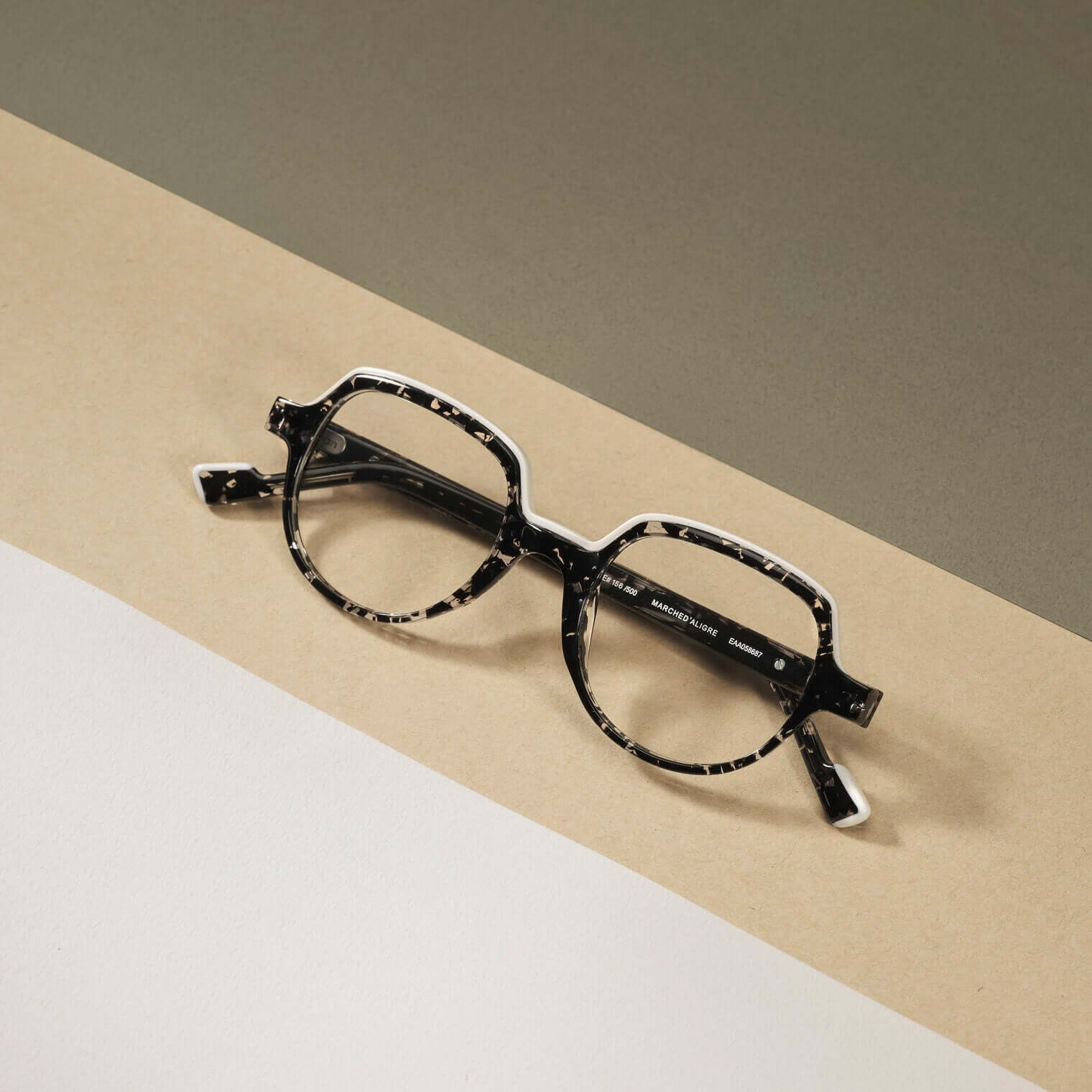
Cheap plastic frames lose their surface quickly. The colour fades, the hinges loosen, the finish chips. Premium optical frames in acetate behave differently. The colour runs through the material, not across it — it cannot fade in the same way. The surface can be polished back to near-original condition. The material develops a patina rather than deteriorating.
If your frames look old after a year, they were not designed to last. Handmade glasses in acetate are.
3. You cannot find a colour that feels right
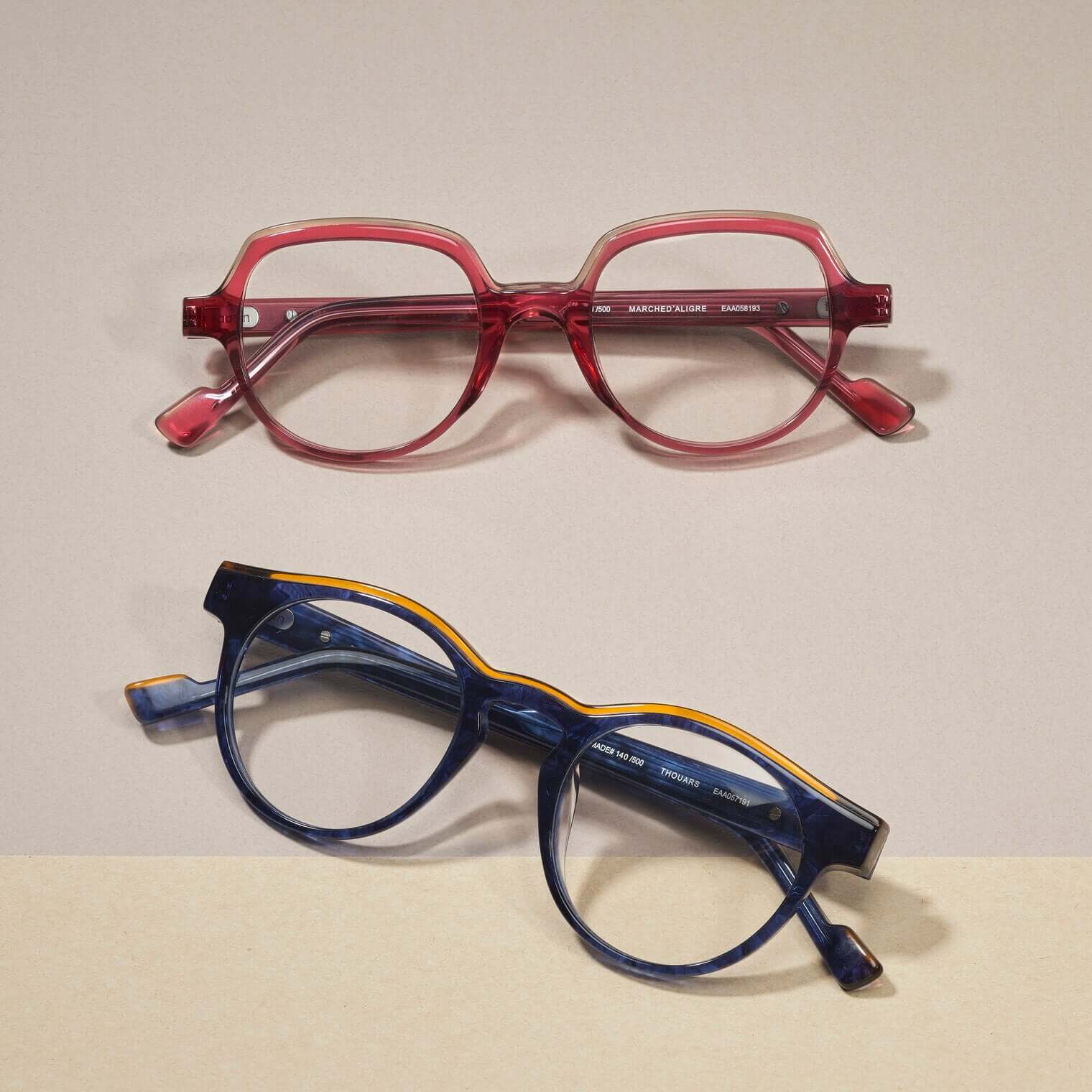
Standard eyewear collections offer a limited palette — often the same twelve shades available to every brand, from the same acetate suppliers. Independent eyewear brands that develop their own materials work from a different starting point. At TARIAN, almost half of the acetates are developed exclusively for the brand: specific transparencies, specific depths of colour, specific interactions with light that exist nowhere else in the market.
If you have spent years choosing from the same limited palette, you may not have seen what acetate is actually capable of.
4. Your frames break at the hinge
The hinge is the most structurally demanding point of any frame. Traditional hinges with small screws are reliable but require periodic maintenance — and when they fail, they fail at the worst possible moment. A flex hinge made without screws eliminates this failure point. The AXIS hinge used in TARIAN designer glasses redistributes stress across the entire frame rather than concentrating it at a single metal joint.
If you have broken more than one pair of frames at the hinge, the issue is the design, not your handling.
5. Your glasses feel like an afterthought, not a choice
This is the most important sign. Luxury eyewear is not simply corrective equipment — it is an object worn on the face every day, in every interaction, in every photograph. A frame that was chosen for its price or its availability rather than for its design and material will feel that way over time.
French eyewear from an independent atelier — designed by hand, made in Italy in limited editions — is a different category of object. It does not feel like an afterthought. It feels like a decision.